Chocolate is My Valentine Cute Valentine
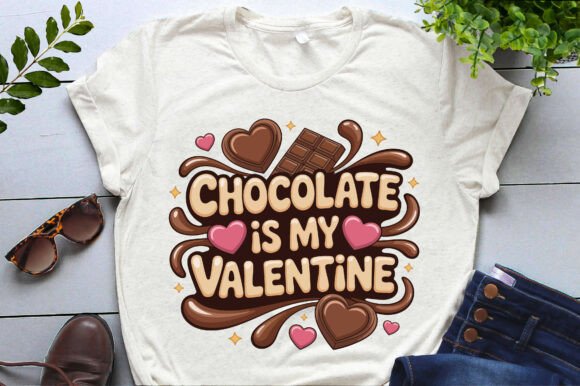
As an embroidery designer who has stitched thousands of files for everything from boutique apparel to high-volume commercial runs, I have learned to look past the pretty preview image. When a new embroidery file lands on my desk, my first instinct is not just "is it cute?" but "will this stitch well?" and "will my client actually wear this?" Today, I am evaluating the Chocolate is My Valentine Cute Valentine design, a digital asset that promises sweet aesthetics with practical utility for the craft business owner or serious hobbyist.
This review focuses on real-world application. We are moving beyond the basic product description to discuss how this Illustrations category graphic translates into tangible thread, fabric, and finished product value. If you are an Etsy seller, a small shop owner, or a maker looking to expand your holiday embroidery offerings, read on for a practical breakdown of what works, what requires caution, and where this design truly shines.
First Impressions: Mood and Visual Personality
The moment you open the design in your digitizing software, the visual personality of Chocolate is My Valentine Cute Valentine is immediately apparent. It leans heavily into warmth, comfort, and approachability. The theme is unmistakable—chocolate as a symbol of affection—but the execution feels grounded rather than overly saccharine. For a designer, this balance is crucial. Too much sweetness can feel juvenile; too little can miss the emotional hook of the holiday.
From a layout perspective, the design appears to be centered and balanced, which makes it incredibly versatile for various garment placements. Whether you are planning a left-chest logo for a sweatshirt embroidery project or a large center-front placement for a tote bag, the composition holds up. The shapes are clean, suggesting that the underlying vector structure (provided in EPS and AI formats) is robust. This means when you scale the machine embroidery design up or down, the lines remain crisp, avoiding the pixelation issues that plague lower-quality raster-based assets.
Real-World Application: Where Does This Design Fit?
In my experience, the most successful handmade products are those that solve a gifting problem. Valentine’s Day is often last-minute, and buyers want something personal but polished. Chocolate is My Valentine Cute Valentine fits perfectly into several high-demand niches:
- Custom Apparel: This design is ideal for custom apparel like crewneck sweatshirts, hoodies, and t-shirts. The chocolate theme pairs naturally with earth tones, deep reds, creams, and blacks. Imagine this stitched in a rich brown satin stitch on a cream-colored organic cotton tee—it creates an instant boutique look.
- Baby and Nursery Decor: As a baby embroidery item, this design brings a soft, comforting vibe. It works beautifully on muslin blankets, burp cloths, or onesies. Parents love gifts that are gender-neutral yet thematic, and chocolate appeals to all ages.
- Kitchen and Home Goods: Do not overlook the functional market. An embroidered apron with this design is a fantastic gift for home bakers. Similarly, tea towels and kitchen towels benefit from this kind of cheerful, domestic imagery. It adds character to a kitchen without being overwhelming.
- Accessories and Bags: A tote bag design featuring this artwork is perfect for spring outings or Valentine’s events. Because the design is likely compact enough to fit within standard hoop sizes, it works well on canvas totes, denim jackets, and even baseball caps, provided the curvature is managed correctly.
For the Etsy seller or craft business owner, this design offers flexibility. You can create a cohesive collection by pairing it with complementary elements or using it as a standalone statement piece. It serves as a strong design asset that can drive traffic during the February sales window.
Technical Considerations for Embroidery Success
While the visual appeal is strong, the true test lies in the stitching. Here is what you need to consider before sending this to production.
Stitch Density and Detail Level
The design features distinct shapes that likely utilize a mix of satin stitch for outlines and fill stitch for the main body. When reviewing such files, I always check the stitch density. If the density is too high on a thin fabric, the material will pucker. If it is too low, the backing may show through. For Chocolate is My Valentine Cute Valentine, ensure that the smaller details—such as any text or intricate chocolate wrapper folds—are legible after stitching. Very fine lines can sometimes disappear if the thread tension is off or if the fabric stretches during the process.
Fabric Compatibility
This design performs best on stable, woven fabrics. Cotton, linen, and canvas are excellent choices because they hold the shape of the stitches well. However, caution is required with certain materials:
- Stretchy Fabrics: If you are embroidering on jersey knit or spandex blends, you must use a heavy-duty tear-away or cut-away stabilizer to prevent distortion.
- Textured Fabrics: On bouclé or thick fleece, small details may get lost in the nap of the fabric. In these cases, the larger shapes of the design will pop, but fine lines might become muddy.
- Dark Fabrics: If stitching on dark backgrounds, ensure your thread colors provide sufficient contrast. A light brown chocolate design on black fabric needs careful color selection to maintain visibility.
Hoop Size and Placement
Before finalizing your embroidery project, confirm the hoop size requirements. While the digital file is scalable, your machine’s physical limits are not. Test the design in your software to ensure it fits comfortably within your largest hoop if you plan to make oversized items like throw pillows or large blankets. For smaller items like embroidered patches or cap fronts, verify that the design does not exceed the standard 4x4 or 5x7 inch hoops unless you are using multi-hooping techniques.
Quality Control and Testing Protocol
I cannot stress enough the importance of testing. Never assume a digital embroidery file will work perfectly out of the box. Follow this checklist:
- Scrap Fabric Test: Always run a test stitch on the exact fabric you intend to use. This reveals how the fabric texture interacts with the thread and whether the stabilizer is appropriate.
- Thread Color Contrast: Experiment with different thread brands and colors. A change in sheen or shade can dramatically alter the final look of the chocolate motif.
- Black and White Mockup: View the design in grayscale to check for contrast issues. If the design looks flat in black and white, it may lack depth in color as well.
- Licensing Check: Before selling any finished product, double-check the license terms included with the purchase. Ensure you have commercial rights to sell physical items made with this design, especially if you are listing them on platforms like Etsy or Amazon Handmade.
Final Verdict
Chocolate is My Valentine Cute Valentine is a solid addition to any designer’s library. It strikes a balance between seasonal relevance and timeless charm. The inclusion of multiple file formats (PNG, SVG, EPS, AI) ensures that you can adapt the graphic for both direct-to-garment printing and traditional embroidery, making it a versatile tool for the modern creative entrepreneur.
It is particularly well-suited for small shop products that aim to evoke warmth and personal connection. By paying attention to stitch density, fabric choice, and proper stabilization, you can transform this digital asset into a professional-grade embroidery project that customers will cherish. Whether you are creating personalized gifts for friends or building a robust catalog for your online store, this design offers reliable performance and broad appeal. Just remember: the magic happens in the preparation. Test thoroughly, choose your threads wisely, and let the quality of your craftsmanship speak for itself.