First Grade T-Shirt Design Review
As a designer who spends more time staring at stitch lines than actual sleep, I approach every new embroidery file with a mix of optimism and skepticism. The market is flooded with generic clip art that looks great on a screen but falls apart under the needle. When I pulled up First Grade T-Shirt Design, my initial instinct was to check for usability. Is this just another decorative element, or does it have the structural integrity to hold up in a real-world application? After running through a mental checklist of fabric types, hoop sizes, and end-user expectations, here is my practical breakdown of how this design performs when moving from digital asset to finished product.
The First Impression: Mood and Visual Personality
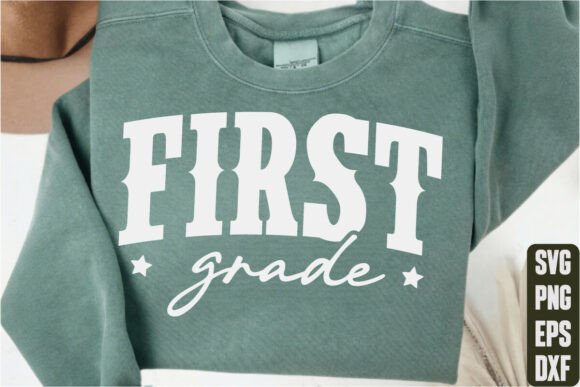
The moment you load First Grade T-Shirt Design, the intent is clear. It isn’t trying to be abstract or overly complex. Instead, it leans into a nostalgic, celebratory vibe that resonates deeply with parents, teachers, and anyone involved in early childhood education. The layout feels balanced, avoiding the cluttered look that often plagues text-heavy embroidery projects. The visual personality is warm and inviting, suggesting that this piece belongs in environments where comfort and sentimentality are prioritized over high-contrast graphic impact.
For those of us creating handmade products, mood is everything. This design immediately signals "keepsake." It doesn’t feel like disposable fast fashion; it feels like something a grandmother might gift or a teacher might award. That emotional connection is crucial for Etsy sellers and small shop owners because it justifies a higher price point. Buyers aren’t just paying for thread and fabric; they are paying for the memory attached to the item. This design captures that essence effectively without relying on cheap gimmicks.
Real-World Application: Where Does It Shine?
Let’s talk about execution. I envision First Grade T-Shirt Design performing exceptionally well on soft, forgiving fabrics. My first thought was a heavyweight cotton sweatshirt for a back-to-school event. The structure of the design suggests it can handle the slight give of knit fabrics if stitched correctly. However, the true potential lies in its versatility across different custom apparel categories.
- Baby Embroidery: While the theme is school-focused, the aesthetic is soft enough for newborn gifts. Imagine this on a muslin blanket or a onesie for a future student. The embroidered patch style works beautifully here, adding a tactile element that babies love to touch.
- Tote Bag Design: Canvas tote bags are a staple for teachers and students alike. This design translates well to sturdy canvas, providing a professional finish that withstands daily use. It serves as excellent branding for a small business selling educational supplies.
- Holiday Embroidery: End-of-year gifts are a massive market. This design fits perfectly into the June/July rush for graduation or completion party favors. It pairs nicely with other design assets to create themed bundles.
- Aprons and Kitchen Towels: For the home educator or the parent who loves to cook with their kids, this adds a personal touch to kitchen textiles. The clean lines ensure it doesn’t get lost in busy kitchen patterns.
In these scenarios, the design acts as a focal point. It draws the eye without overwhelming the garment. For commercial embroidery work, this reliability is key. You want designs that run consistently, minimizing errors and rework. First Grade T-Shirt Design appears to have a straightforward structure that should play nice with most modern machines, provided the digitization respects the fabric’s properties.
Stitch Density and Detail Considerations
One area that requires careful attention is the balance between detail and durability. Designs featuring text or fine lines often suffer from "thread breaks" or loss of definition if the stitch density is too high. With First Grade T-Shirt Design, I recommend inspecting the smaller elements closely. If there are intricate curves or tiny lettering, ensure your machine can handle the precision.
When using satin stitches for outlines or text, always verify that the spacing allows for proper thread coverage. Too much overlap can cause puckering, especially on thinner materials. Conversely, if the design relies heavily on fill stitches, make sure the underlying fabric has enough body to support the weight of the thread. This is particularly important for sweatshirt embroidery, where heavy fills can distort the neckline or hem if not stabilized properly.
Pitfalls to Avoid: Where to Use Caution
No design is universal, and First Grade T-Shirt Design has specific constraints that every embroidery project planner must respect. Here is where you need to pause and evaluate your substrate.
First, avoid placing this on highly textured or stretchy fabrics unless you are an advanced user. Materials like terry cloth, loose-weave linen, or spandex-heavy blends can cause the design to shift or warp during stitching. The result is often a misaligned graphic that ruins the professional appearance of the finished product. Stick to stable cottons, poly-cotton blends, or denim for the best results.
Second, be mindful of hoop size limitations. If you attempt to embroider this on a curved surface like a baseball cap, ensure the design fits within the available flat area of the crown. Distorting the shape to fit a small hoop will compromise the symmetry. Similarly, on dark fabrics, contrast becomes a major issue. If the thread colors in the design are light, they may disappear against black or navy backgrounds. Always test your thread colors against your fabric choice before committing to a bulk order.
Another critical consideration is washing durability. Since this design targets a demographic that values longevity (parents and educators), the embroidery must survive repeated laundering. Dense stitch areas can trap lint and moisture, leading to mildew or fiber degradation over time. Using a proper stabilizer—whether cut-away for permanent wear or tear-away for temporary items—is non-negotiable for maintaining the integrity of the machine embroidery design.
Practical Tips for the Designer
To get the most out of First Grade T-Shirt Design, I suggest adopting a rigorous testing protocol. Never assume a design will run perfectly on the first try. Start by stitching a sample on scrap fabric that mimics the texture and weight of your final material. This simple step can save hours of frustration and prevent costly mistakes.
Check the black-and-white mockup of the design. Sometimes, color distracts from structural flaws. In grayscale, you can better assess the balance of positive and negative space. Does the design feel heavy on one side? Are the details legible at a glance? These questions help refine your presentation for printable mockups and online listings.
Furthermore, consider the licensing terms. If you plan to sell finished items featuring First Grade T-Shirt Design, confirm whether the license allows for commercial use. Many digital embroidery files come with restrictions that prohibit resale of physical goods. Violating these terms can lead to serious legal issues for your craft business. Clear communication with your customers about the handmade nature of your products also builds trust and enhances brand consistency.
Final Verdict
Overall, First Grade T-Shirt Design is a solid addition to any library focused on educational or sentimental themes. It offers a clean, professional look that appeals to a broad audience of creative entrepreneurs and hobbyists. Its strength lies in its emotional resonance and adaptability across various textile applications, from t-shirt scraps to full garments.
While it demands respect regarding fabric choice and stabilization, its potential to elevate a simple graphics concept into a cherished keepsake is undeniable. For Etsy sellers looking to expand their catalog with meaningful, high-quality items, this design provides a reliable foundation. Just remember: the success of your embroidery project depends less on the file itself and more on your preparation, technique, and attention to detail. Test thoroughly, stitch confidently, and let the quality of your work speak for itself.