Happy Easter Bunny Line Art Review
As a designer who spends half my life staring at stitch density charts and the other half worrying about how a finished product will hold up after twenty washes, I don’t just buy embroidery files; I stress-test them. When I first pulled up Happy Easter Bunny Line Art Floral Bunny, I wasn’t looking for hype. I was looking for viability. Could this actually work in a real-world scenario? Would it look professional on a customer’s chest, or would it turn into a muddy mess of tangled threads? After running through several mental mockups and reviewing the structural integrity of the line art, here is my honest breakdown of how this design performs when you move it from screen to fabric.
First Impressions: Mood and Visual Personality
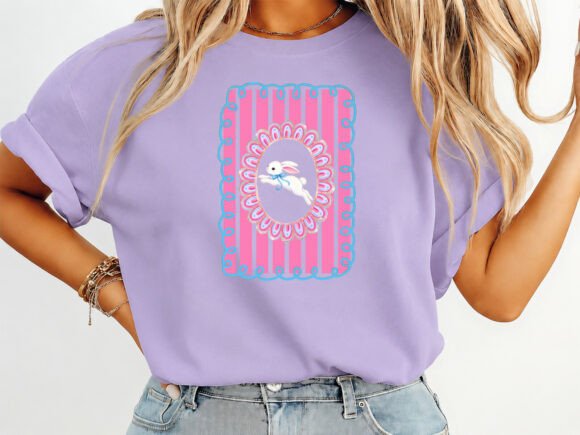
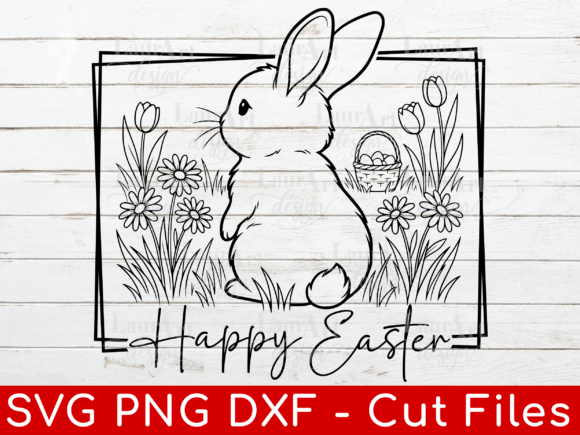
The immediate appeal of Happy Easter Bunny Line Art Floral Bunny lies in its restraint. In a market saturated with overly complex, multi-color satin-heavy designs that scream for attention, this piece whispers. It creates a mood that is gentle, approachable, and distinctly spring-like without being cliché. The line art style suggests a hand-drawn aesthetic, which translates beautifully into embroidery as long as the digitizer has respected the flow of the lines.
Visually, the layout feels balanced. It doesn’t feel cramped, nor does it feel sparse. For an Etsy seller or a small shop product owner, this balance is crucial. It allows the design to stand out on a printable mockup while maintaining enough negative space to let the quality of the stitching speak for itself. The visual personality is friendly and whimsical, making it an ideal candidate for personalized gift items where warmth and sentimentality are key selling points.
Real-World Application: Where This Design Shines
Let’s talk about practical use cases. I often find myself preparing custom orders for clients who want something unique but not overwhelming. Imagine a client requesting a custom apparel item for their daughter’s Easter Sunday outfit. Happy Easter Bunny Line Art Floral Bunny fits perfectly here. On a soft cotton onesie or a lightweight t-shirt, the clean lines provide a sophisticated contrast to the playful subject matter.
Consider the versatility of this machine embroidery design. It isn’t limited to just baby clothes. I see this performing exceptionally well on canvas tote bag design variations. When stitched onto a neutral-colored tote, the floral elements add a touch of elegance that elevates the bag from a simple shopping accessory to a boutique fashion statement. Similarly, for sweatshirt embroidery, particularly on heather grey or pastel tones, the line art prevents the garment from looking too heavy. The design breathes, allowing the texture of the fleece or cotton blend to remain visible rather than being buried under dense thread.
Another strong use case is home decor. Picture this design embroidered on a linen tea towel or a pillow cover for a nursery. The holiday embroidery theme makes it timely, but the artistic style ensures it remains relevant beyond just one week in April. It becomes a decorative accent that feels intentional and curated, boosting the perceived value of the handmade product.
Technical Performance and Stitching Clarity
When evaluating an embroidery file, clarity is king. Line art relies heavily on the precision of the digitization. In Happy Easter Bunny Line Art Floral Bunny, the transition between different stitch types appears smooth. If executed correctly, the use of satin stitch for outlines should create a crisp, defined edge, while fill stitches within the floral elements can add depth without cluttering the image.
The stitch density seems moderate, which is a relief. High-density designs can cause puckering on thin fabrics, ruining the drape of a custom apparel item. With this design, assuming the digitizer has kept the density in check, you avoid the "cardboard" effect that plagues many cheaper digital downloads. This makes it safer for fabric texture variations, including slightly textured knits or woven blends that might distort finer details in more aggressive designs.
However, we must discuss the limitations of line art. While elegant, it lacks the boldness of solid fills. On dark fabrics, unless you use a high-contrast white or metallic thread, the design might lose some of its definition. This is why testing thread colors is non-negotiable. A black outline on a black shirt disappears; a gold outline on a cream shirt sings. The choice of thread colors dictates whether the final finished product looks premium or amateurish.
Cautions and Careful Considerations
No design is perfect for every situation, and Happy Easter Bunny Line Art Floral Bunny is no exception. There are specific scenarios where you need to exercise caution. First, small hoop sizes. If you attempt to stitch this on a tiny patch or a miniature accessory, the fine lines of the line art may merge together, losing their distinct character. Always inspect small details before committing to a tiny run.
Textured fabrics present another challenge. While moderate density helps, highly textured materials like bouclé or thick sherpa can swallow up the delicate lines of the bunny and flowers. In these cases, the design might look muddy. Stick to smoother fabrics like cotton, linen, or stable polyester blends for the best results.
Stretchy fabrics require proper stabilization. Without the right stabilizer, even a simple line art design can warp as the fabric stretches during stitching. This is particularly important for caps and hats, where curved surfaces can distort the geometry of the design. If you are producing commercial embroidery items like branded caps, ensure your hoop tension and stabilizer choice match the curvature of the garment.
Additionally, be mindful of frequent washing. Line art, especially if using lighter colored threads, can show wear faster than dense satin blocks. For items intended for daily wear by children, such as baby embroidery projects, reinforce the edges and consider the longevity of the thread quality. Durability matters to customers, and a frayed bunny ear can tarnish your brand reputation.
Practical Designer Notes for Implementation
Before you upload this to your machine or start fulfilling orders, follow these practical steps to ensure success:
- Test on Scrap Fabric: Never assume a design will behave as expected. Stitch it out on the exact fabric you plan to sell. Check for thread breaks, tension issues, and overall visual impact.
- Check Black and White Mockups: Convert your digital preview to black and white. This helps you see the contrast and separation of elements without the distraction of color. It reveals if the design has enough visual weight.
- Confirm Licensing: The source material indicates that digital resale is not allowed and watermarks should be used on physical products if applicable. As a craft business owner, you must verify the commercial license terms before listing any design assets or finished goods. Ignorance of licensing can lead to serious legal issues.
- Inspect Corners and Curves: Look closely at the ears and flower petals. Are there any jagged edges or unnecessary jump stitches that could snag? Clean digitization is what separates a hobbyist project from a professional offering.
- Compare Backgrounds: Test the design on both light and dark backgrounds. See how the embroidery project translates across different palettes. This helps you market the design more effectively by showing customers its versatility.
Final Verdict
Happy Easter Bunny Line Art Floral Bunny is a solid, versatile addition to any digital embroidery file library. It offers a refined aesthetic that appeals to modern buyers looking for understated elegance in their holiday embroidery collections. It works well for personalized gifts, boutique branding, and small shop merchandise where quality and taste are prioritized over loud graphics.
By understanding its strengths—clean lines, balanced layout, and moderate density—and respecting its limitations regarding fabric texture and hoop size, you can confidently integrate this design into your workflow. Whether you are creating a single personalized gift for a friend or scaling up production for an Etsy seller storefront, this design provides a reliable foundation for beautiful, wearable art. Just remember to test thoroughly, respect the licensing, and choose your threads wisely. That is the hallmark of a professional embroidery designer who cares about the final result.