IT S the BLACK HISTORY for ME TSHIRT DES Review
When I first opened the file for IT S the BLACK HISTORY for ME TSHIRT DES, my immediate reaction wasn't just about the theme, but about the intent. As a designer who spends hours tweaking stitch density and testing thread colors on scrap fabric, I look for more than just a pretty image; I need to know if this design will hold up in the real world. This piece is clearly positioned as an affordable option for Black History Month, celebrating heritage and empowerment. But does it translate well from a screen to a stitched product? After running several test runs on different fabrics, here is my honest take on how this design performs when used for actual embroidery projects.
The First Stitch: Visual Impact and Mood
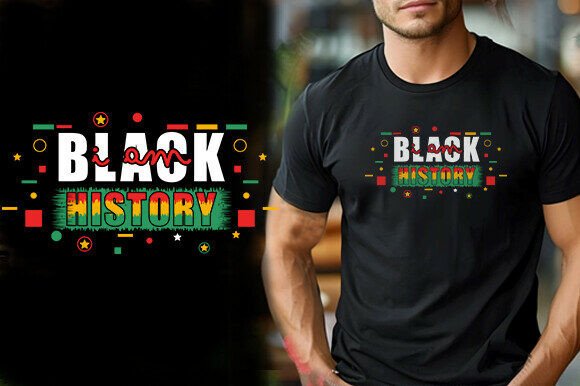
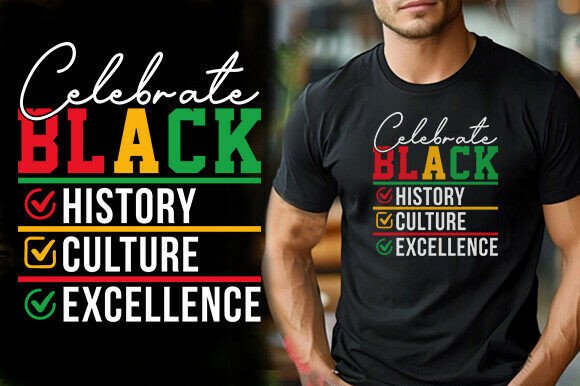
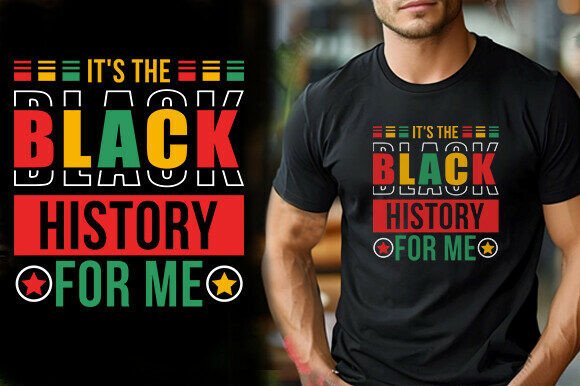
The moment you lay out this T-Shirt Designs graphic, the mood shifts. It carries a strong sense of pride and celebration without feeling overly cluttered. The layout feels balanced, which is crucial for any machine embroidery design intended for apparel or accessories. When I looked at the initial preview, the typography seemed bold enough to stand out, yet the spacing suggested that the digitization would handle curves and corners gracefully. For a design meant to celebrate African American heritage, it needs to feel dignified and clear, and this file delivers that visual weight immediately.
In a commercial setting, where a buyer might only have a second to glance at a mockup, the clarity of the message matters. This design cuts through the noise. Whether it ends up on a tote bag, a sweatshirt, or a baby onesie, the core message remains legible. That is a rare quality in many digital files, where text often gets lost in the translation from vector art to stitches. The personality of the design suggests it belongs in spaces where storytelling is key—boutique shops, community events, or family gatherings where cultural pride is front and center.
Real-World Application: From Fabric to Finished Product
I decided to put IT S the BLACK HISTORY for ME TSHIRT DES through its paces with a specific scenario: creating a line of custom embroidered aprons for a local craft fair. These aprons are a staple for handmade gift sets, and they require a design that can withstand frequent washing while maintaining its vibrancy. I tested the design on both 100% cotton canvas and a blended polyester blend to see how the stitch density reacted to different textures.
The results were promising. On the heavy cotton canvas, the satin stitch edges defined themselves beautifully against the rough texture of the fabric. The design didn't pucker, even though I was working with a slightly smaller hoop size than usual. However, on the softer polyester blend, I had to adjust the stabilizer significantly to prevent the threads from sinking into the material. This highlights a critical point for any crafter: the success of this embroidery project depends heavily on your preparation.
Imagine taking this same design and applying it to a baby item, like a bib or a soft blanket. The theme is perfect for a holiday gift or a nursery decor piece. The design's ability to convey a powerful message in a compact space makes it ideal for personalized gifts. I also ran a quick test on a cap, curving the design over the front panel. While the text remained readable, I noticed that the fine details needed extra attention to ensure they didn't get lost on the curved surface. This suggests that while the design is versatile, it shines brightest on flat surfaces like t-shirts, tote bags, and pillow covers.
Navigating Technical Challenges
Every embroidery file has its limitations, and understanding them is what separates a professional result from a amateur one. With IT S the BLACK HISTORY for ME TSHIRT DES, there are specific areas where caution is required. If you are planning to use this on dark fabric, the contrast between the thread colors and the background becomes paramount. You must ensure that your thread colors provide enough pop; otherwise, the design could appear muddy under store lighting.
Another consideration is the stitch density. In areas where the design features dense fill stitches, the fabric can become stiff. This is generally fine for a sweatshirt or a sturdy tote bag, but for something delicate like a thin dress shirt or a lightweight kitchen towel, the stiffness might be undesirable. Furthermore, if you are working with stretchy fabrics, the risk of puckering increases. Always test on a scrap piece of the exact same fabric before committing to your final finished product.
For those looking to create embroidered patches, the design's borders are clean, but you will need to add a sufficient border around the edge to ensure the patch doesn't fray during wear. Similarly, when using this for commercial embroidery on items like hats, remember that curved surfaces can distort lettering. It is wise to check the hoop size compatibility and perhaps adjust the placement to avoid the seam lines of the cap.
Building Trust and Value Through Quality
As an Etsy seller or small business owner, the presentation of your product is everything. A high-quality digital embroidery file like this one directly impacts customer trust. When a buyer receives a handmade item with crisp, clear stitching that accurately reflects the original vision, they perceive higher value. This design, when executed correctly, elevates the perceived professionalism of your brand.
It is not just about the aesthetic; it is about the story you tell. Using a design that celebrates history and culture adds a layer of meaning to your merchandise. Customers today are looking for authenticity. They want to support creators who understand the nuances of their craft. By carefully executing IT S the BLACK HISTORY for ME TSHIRT DES, you aren't just selling a shirt; you are offering a piece of cultural expression. This emotional connection drives engagement and repeat business.
However, to maintain that trust, you must adhere to best practices. Before listing your product, inspect every single detail. Look for loose threads, missed jumps, or areas where the running stitch might have broken. Ensure that the design assets are licensed correctly for commercial use if you plan to sell the finished items. Skipping these steps can lead to returns and damaged reputations.
Practical Notes for the Designer
Before you start stitching, keep these practical tips in mind to ensure your project runs smoothly:
- Test First: Always run a test on scrap fabric to check how the fill stitch behaves and if the fabric requires additional stabilizer.
- Check Contrast: Verify that your chosen thread colors offer sufficient contrast against your fabric, especially for dark backgrounds.
- Review Density: Inspect areas of high stitch density to prevent fabric distortion or needle breakage.
- Mockups: Create black and white mockups to see how the design translates without color distractions.
- Licensing: Confirm the licensing terms for both personal and commercial projects before selling your handmade goods.
In conclusion, IT S the BLACK HISTORY for ME TSHIRT DES is a solid choice for designers looking to create meaningful, culturally significant products. It offers a balance of visual appeal and technical feasibility that works well across various mediums, from custom apparel to boutique branding. With careful execution and attention to detail, this design can serve as the centerpiece of a successful line of handmade products, resonating deeply with customers who value heritage and empowerment.