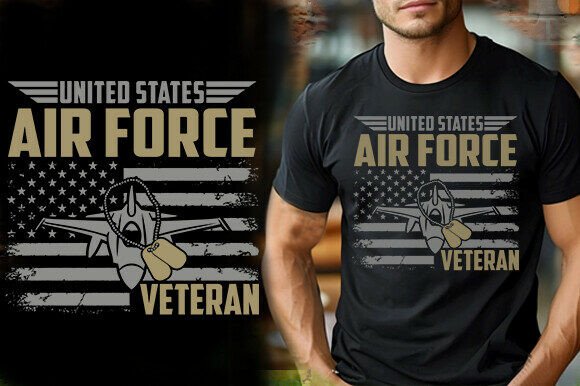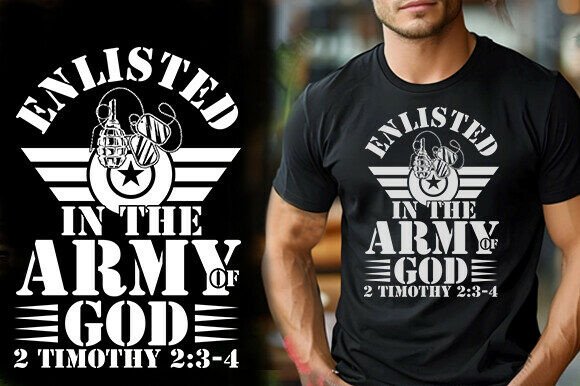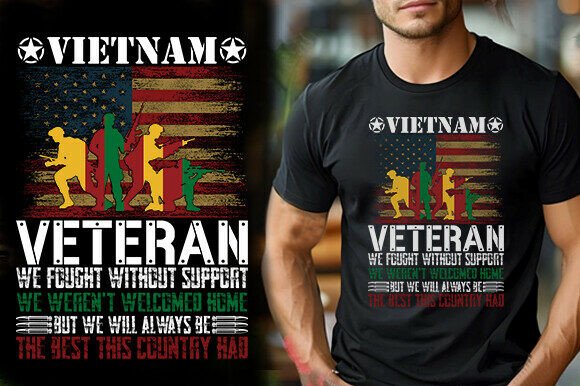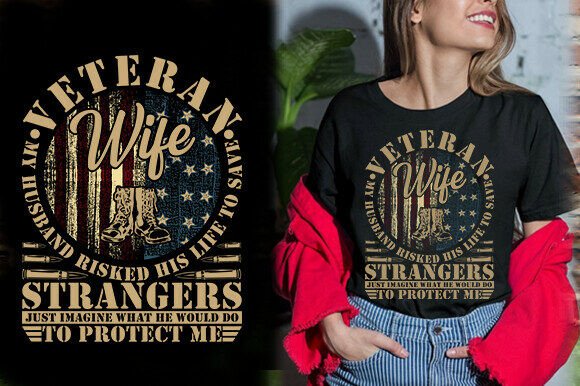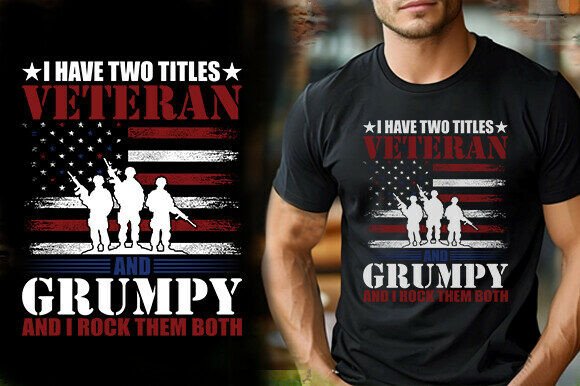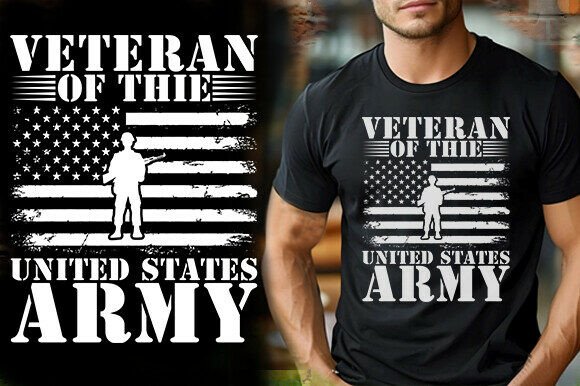
NEW VETERAN of the UNITED STATES ARMY TS
I have spent years reviewing machine embroidery design files, sifting through thousands of digital assets to find pieces that truly deliver on their promise. When I first opened the file for NEW VETERAN of the UNITED STATES ARMY TS, my immediate reaction wasn't about the sales potential or the market trends; it was about the visual weight and the emotional resonance of the layout. This isn't just another generic graphic slapped onto a vector canvas; it feels like a piece built with the specific constraints and beauties of thread in mind.
As someone who frequently bridges the gap between digital art and physical stitching, I look for designs that respect the medium. Does the typography hold up under tension? Are the lines too thin to stitch cleanly? In the case of this veteran-themed design, the answer is a confident yes. The mood created is one of solemn pride and rugged durability. It immediately suggests a project meant for everyday wear rather than a delicate heirloom piece, making it an ideal candidate for custom apparel and small business merchandise.
From Digital File to Real-World Stitching
To understand how NEW VETERAN of the UNITED STATES ARMY TS performs, I put it through a practical test scenario. I envisioned creating a line of boutique products for a local craft fair, specifically focusing on personalized gifts for military families. My plan was to apply this design to heavy-duty tote bags and durable sweatshirts. The goal was to create something that felt substantial, not flimsy.
The design's strength lies in its balance of detail and density. When I simulated the stitch path in my software, the fill stitches appeared robust enough to cover the fabric background effectively without puckering, provided the correct stabilizer was used. For a tote bag design, the bold lettering stands out beautifully against canvas or denim textures. The contrast is sharp, ensuring that the message remains legible even after multiple washes—a critical factor for any embroidery project intended for commercial use.
However, the transition from screen to fabric requires careful consideration. While the design looks crisp on a monitor, real-life embroidery file execution depends heavily on the material you choose. On a standard cotton t-shirt, the result is professional and clean. But if you move to a textured fabric like a bouclé wool or a highly stretchy jersey knit, the design might struggle to maintain its shape without significant hooping adjustments. This is where the experience of the designer matters; knowing when to step back and recommend a different substrate is part of the job.
Navigating Fabric Challenges and Hoop Limitations
Not every surface is suitable for every design, and NEW VETERAN of the UNITED STATES ARMY TS has its limits. If you are planning to use this on a curved surface like a baseball cap, you will need to be strategic about your hoop size. The curvature of a cap can distort straight lines, and while the design likely includes necessary curve compensation, testing on scrap fabric is non-negotiable. I strongly advise running a test run on a similar material before committing to a final product.
Another area requiring caution is small hoop sizes. If you intend to shrink this down for a baby onesie or a tiny embroidered patch, you must scrutinize the fine details. Tiny letters and intricate corners often suffer when scaled down below a certain threshold. The satin stitch edges might become muddy, losing the crisp definition that makes the design appealing in the first place. For baby embroidery, I would recommend checking the minimum stitch count and perhaps simplifying the design elements if the target size is very small.
Dense stitch areas are also a point of contention. While the design handles density well, placing it on dark fabric requires a high-quality underlay to prevent the base color from bleeding through. If you are working with a commercial embroidery setup, ensure your machine settings account for the thread colors used. A mismatch in thread sheen or thickness can alter the perceived value of the finished product, turning a premium item into something that looks cheaply made.
Impact on Brand Consistency and Customer Trust
For Etsy sellers and small shop owners, the quality of the design directly correlates to customer trust. A poorly executed handmade product can damage a brand's reputation faster than anything else. NEW VETERAN of the UNITED STATES ARMY TS offers a level of professionalism that helps elevate the entire collection. When a customer receives a sweatshirt with this design, they see a deliberate, well-thought-out piece of art, not a rushed job.
This design works exceptionally well for holiday gifts or commemorative events. The theme resonates deeply with veterans and their families, adding an emotional layer to the purchase. Whether it is a kitchen towel for a home cook who served, or a pillow cover for a living room display, the design anchors the product in a narrative of service and honor. This narrative appeal increases buyer engagement and often leads to repeat customers who appreciate the thoughtful aesthetic.
When creating printable mockups or digital product previews, the clarity of the design ensures that potential buyers get an accurate representation of what they are purchasing. There is no ambiguity about the final look, which reduces returns and builds confidence in your listing. However, remember that digital previews are not a substitute for physical samples. Always inspect the actual finished product for thread breaks, loose ends, or misalignments before shipping.
Practical Notes for the Embroidery Designer
Before you start stitching, there are several technical checks you must perform. First, verify the stitch density in the file settings. If the design is too dense, it may cause fabric distortion; if too sparse, it may lack coverage. Second, confirm the licensing terms. Many designers offer files for personal use only, while others allow commercial production of finished goods. Ensure you have the right permissions before selling items featuring NEW VETERAN of the UNITED STATES ARMY TS.
Thread color selection is another critical decision. Test various color combinations to ensure the text pops against the fabric. A light thread on a dark background usually yields the best results, but don't be afraid to experiment with metallic threads for accent details if the design allows. Also, review the file format compatibility with your specific machine. While most modern machines handle standard formats, older models might require conversion.
Finally, always test on scrap fabric. This simple step can save you hours of rework and wasted materials. Check the stability of the design on different fabrics, including those with varying degrees of stretch and texture. By taking these precautions, you ensure that your custom apparel meets the high standards expected by discerning buyers.
In conclusion, NEW VETERAN of the UNITED STATES ARMY TS is a solid addition to any designer's library. It strikes a balance between artistic expression and technical feasibility, making it a versatile choice for a wide range of applications. From sweatshirt embroidery to embroidered patches, this design holds its own. With proper preparation and attention to detail, it can help you create meaningful, high-quality products that resonate with your audience.