Retro Daisy Bouquet App Icon Design Review
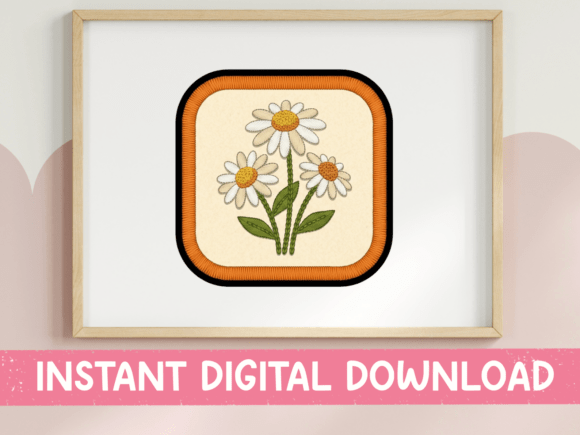
When I first opened the file for the Retro Daisy Bouquet App Icon Design, my immediate reaction was a sense of nostalgic warmth. As someone who has spent years stitching everything from corporate logos to delicate heirloom pieces, I know that a design's potential lies not just in its digital preview, but in how it translates under the needle. This piece, featuring three white daisies with golden yellow centers against a warm cream background, feels less like a generic clipart and more like a curated vintage sticker waiting to be brought to life.
The visual personality here is cheerful yet refined. The retro aesthetic suggests a mid-century modern vibe that pairs beautifully with current trends in handmade goods. It isn't trying too hard; it simply offers a clean, recognizable motif that works well for those looking to add a touch of softness to their inventory. But does it hold up in the real world? Let's walk through how this embroidery project performs when moving from screen to fabric.
First Impressions: Mood and Visual Structure
The layout of the Retro Daisy Bouquet App Icon Design is compact and contained. In the context of an app icon or a small graphic asset, this shape makes perfect sense, but for embroidery, we need to consider how the negative space interacts with the stitches. The arrangement of the three flowers creates a natural focal point that draws the eye without overwhelming the surrounding area. The color palette—white, gold, and cream—is classic and timeless, which is crucial for any handmade product intended for long-term appeal.
From a design perspective, the simplicity is its greatest strength. There are no overly intricate petals or tiny, fragile details that might get lost in the thread. This clarity suggests that the design will translate well into various stitch types. You can almost imagine the satin stitch outlining the flower centers and the fill stitch creating the soft texture of the petals. It feels like a design that would sit comfortably on a variety of surfaces, from a crisp cotton tote bag to the soft fleece of a sweatshirt.
Real-World Application: A Custom Tote Bag Scenario
To truly test the viability of this design, let's imagine a practical scenario. Suppose you are preparing a batch of custom embroidered tote bags for a local craft fair or an Etsy shop launch. You want something that screams "spring" and "fresh start" without being cliché. The Retro Daisy Bouquet App Icon Design fits this brief perfectly.
Imagine stitching this onto a heavy-duty canvas tote in natural beige. The white daisies would pop gently against the neutral background, while the golden centers would catch the light as customers handle the bags. Because the design is relatively small and self-contained, it works exceptionally well as a standalone statement piece on the front pocket of a bag or centered on the side panel. It avoids the cluttered look that often plagues poorly scaled designs.
However, if you were to attempt this on a dark-colored fabric, the dynamic changes entirely. The cream background and white flowers might lose their definition unless you use a high-quality underlay or a contrasting backing. In this specific case, the design shines brightest on light-to-medium weight fabrics where the thread colors can breathe. For a boutique owner selling summer accessories, this design could become a signature element that instantly communicates quality and style.
Performance Across Different Textiles and Projects
The versatility of the Retro Daisy Bouquet App Icon Design extends beyond just tote bags. Its balanced composition makes it suitable for a wide range of custom apparel and home decor items. Here is how it breaks down across different categories:
- Baby Items: The soft, rounded shapes of the daisies are ideal for baby clothes. On a onesie or a receiving blanket, the gentle curves convey safety and comfort. Just ensure the stitch density is appropriate so the fabric doesn't become too stiff for a baby's delicate skin.
- Caps and Hats: While curved surfaces like caps can be tricky, the circular nature of the bouquet layout helps mitigate distortion. If you are using a smaller hoop size, this design scales down well, maintaining its integrity even on the limited canvas of a baseball cap front.
- Kitchen Towels and Aprons: For the culinary enthusiast, this design adds a charming touch to kitchen linens. The retro style complements farmhouse aesthetics, making it a great fit for holiday embroidery projects during spring or Easter seasons.
- Embroidered Patches: If you plan to create iron-on patches, the clear separation between the flowers and the background allows for easy cutting and edging. The design holds its own as a finished product that can be applied to jackets, backpacks, or denim vests.
In each of these applications, the design contributes to a cohesive brand identity. When customers see consistent, high-quality stitching, their trust in your craft business grows. A well-executed machine embroidery design signals professionalism and attention to detail, which are essential for selling at higher price points.
Where Caution Is Required
While the Retro Daisy Bouquet App Icon Design is robust, there are specific situations where it requires careful handling. One major consideration is the scale of the hoop. If you attempt to embroider this on a very small hoop, such as one used for monogramming on a collar, the fine details of the flower centers might become indistinct. Always check the recommended hoop size before starting.
Fabric texture is another critical factor. Stretchy knits, like those found in t-shirts or hoodies, require a stabilizer that provides enough support to prevent puckering. Without proper stabilization, the tension of the satin stitch around the daisy outlines could cause the fabric to gather, distorting the retro aesthetic. Similarly, on textured fabrics like waffle weave or boucle, the design might not lay flat, reducing the visual impact of the thread colors.
Dense stitch areas should also be monitored. If the design includes large blocks of fill stitch, ensure that the thread count is sufficient to cover the fabric completely. Thin fabrics may show the backing through dense areas, which can look unprofessional. For these reasons, it is always wise to test the design on scrap fabric first to evaluate the final result.
Practical Designer Notes for Success
Before committing this design to a customer order or a commercial product line, there are several technical steps every designer should take. First, review the thread colors in your software. The digital preview shows a cream background, but remember that embroidery thread is rarely a true cream; it is often a slightly off-white or pale yellow. Adjusting the thread choice to match the intended mood is vital.
Next, inspect the small details. Zoom in on the file to ensure there are no loose threads or tiny gaps that could cause issues during digitization. If the design is intended for both personal and commercial projects, confirm the licensing terms immediately. Many digital embroidery files come with restrictions on how many finished items you can sell.
Testing the design in black and white mockups is a smart move. This helps you visualize the contrast and density without the distraction of color. It ensures that the white daisies will stand out sufficiently against whatever fabric you choose. Additionally, compare the design on light and dark backgrounds to determine if you need to adjust the underlay or add a border for better visibility.
Finally, think about the end user. Will they wash the item frequently? If so, ensure the stitch density is high enough to withstand friction without fraying. A durable finish enhances the longevity of the finished product and keeps the customer happy.
The Retro Daisy Bouquet App Icon Design is a strong candidate for anyone looking to expand their T-Shirt Designs or Graphics offerings with a touch of vintage charm. It balances artistic flair with practical construction, making it a valuable asset for Etsy sellers, small shop owners, and creative entrepreneurs alike. By approaching it with a critical eye and following best practices for stabilization and testing, you can turn this digital concept into a tangible, beloved piece of art.