Review: All You Need is Love and a Nurse
As an embroidery designer who spends more time than I care to admit staring at stitch density charts and testing stabilizers, I have learned that not all designs are created equal. Some look beautiful on a screen but fall apart under the needle. Today, I am evaluating All You Need is Love and a Nurse, a graphic from the T-Shirt Designs category. My goal here is not just to describe what it looks like, but to determine if it holds up in real-world production scenarios for craft business owners, Etsy sellers, and serious hobbyists.
When I first pulled up this design, my immediate reaction was one of warmth and approachability. The phrase "All You Need is Love" carries significant emotional weight, and pairing it with the nursing profession creates a specific niche appeal. It feels less like generic clip art and more like a thoughtful tribute. For anyone looking to create personalized gifts or boutique merchandise for healthcare workers, this design hits the right mood. It is supportive, professional, yet deeply personal. However, as any experienced maker knows, sentiment alone does not guarantee a successful embroidered product. We need to look at the construction, the potential pitfalls, and the best use cases.
First Impressions and Visual Personality
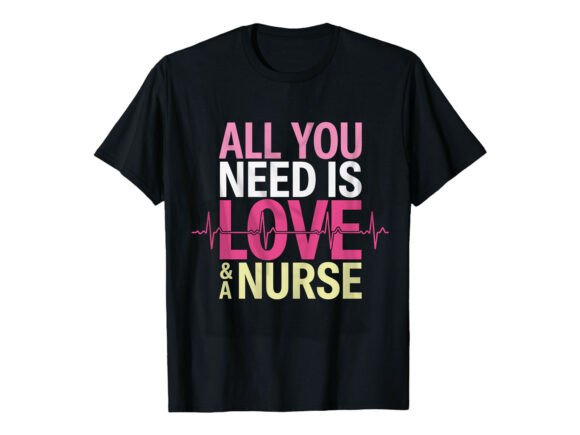
The visual personality of All You Need is Love and a Nurse suggests a layout that balances text and iconography. In my experience, designs that combine a well-known idiom with a specific profession often struggle with clutter if the artist has not been careful with negative space. From what I can see, this design avoids that trap. The theme feels cohesive, likely utilizing clean lines that translate well into machine embroidery.
The mood is undeniably positive. It evokes feelings of gratitude and care, which makes it highly marketable. Whether you are creating a holiday gift for a nurse family member or stocking shelves for a medical-themed boutique, this design resonates. It is not aggressive or overly complex; instead, it offers a sense of calm professionalism. This is crucial because embroidery is a tactile medium. If the design feels too chaotic on paper, it will feel overwhelming when stitched onto fabric. This one feels balanced.
Real-World Application: Where Does This Design Shine?
I believe this design is particularly strong for custom apparel and soft goods. Let’s imagine a scenario where you are preparing orders for a local hospital appreciation week. You decide to produce a run of high-quality sweatshirts for the staff. All You Need is Love and a Nurse would perform exceptionally well here. Sweatshirts provide a stable, medium-weight canvas that can handle moderate stitch density without puckering. The design’s message pairs perfectly with the comfort and casual nature of a sweatshirt.
Beyond apparel, consider tote bag design applications. A canvas tote embroidered with this graphic becomes a practical gift that nurses might actually use during their shifts. It is durable, functional, and serves as a walking advertisement for your brand. Similarly, this design fits beautifully into baby embroidery projects. A onesie or a small blanket featuring this sentiment makes for a cherished baby shower gift for expectant mothers in the medical field. The softness of the fabric complements the gentle tone of the message.
For those selling digital products, this graphic is also a valuable asset. As a printable mockup element, it allows other designers to showcase how their physical products might look. It adds a layer of specificity to generic templates, helping buyers visualize the final result. Whether you are an Etsy seller listing finished goods or a creative entrepreneur selling design assets, this piece adds variety to your portfolio.
Technical Considerations and Potential Pitfalls
While the concept is strong, we must address the technical realities of stitching this out. Not every surface is suitable for All You Need is Love and a Nurse. I advise extreme caution when attempting this design on curved surfaces like caps or hats. Unless the design is specifically digitized with 3D puff capabilities or carefully broken down for curved hooping, the text may distort, making the message hard to read. For most standard cap embroidery, a simpler logo or smaller text block is safer.
Another area requiring careful attention is fabric texture. If you plan to embroider this on a heavily textured fabric, such as a bouclé knit or a thick fleece, the details may get lost. The stitches might not lay flat, leading to a messy finish. Thin fabrics are also risky; without proper stabilizer support, the tension required for fill stitches could cause the fabric to pucker significantly. Always test on scrap fabric first to ensure the stabilizer matches the fabric weight.
Stitch density is another critical factor. If the design contains large areas of satin stitch or dense fill stitch, it may become stiff and uncomfortable against the skin, especially on items like t-shirts or baby clothes. Check the file specifications to understand the stitch count. If the density is high, consider using a cut-away stabilizer for better long-term durability, particularly for items that will undergo frequent washing. Conversely, if the design relies on running stitch for fine details, ensure your machine can maintain consistent tension to prevent thread breakage.
Maximizing Value and Customer Trust
Using a well-executed design like All You Need is Love and a Nurse directly impacts customer trust. When a buyer receives a handmade product where the stitching is clean, the threads are color-fast, and the message is legible, they perceive higher value. This leads to repeat business and positive reviews. In the competitive world of craft business and small shop products, presentation is everything. A crisp embroidery job signals professionalism.
Furthermore, this design enhances brand consistency. If your shop focuses on heartfelt, profession-specific gifts, incorporating this design reinforces your niche. It helps your target audience—nurses, their families, and supporters—identify your products as relevant to them. This recognition drives engagement and sales. For commercial embroidery projects, ensuring that the licensing terms allow for resale is vital. Always confirm whether you have the rights to sell finished items made from this digital embroidery file before you begin production.
Practical Designer Notes for Success
To get the best results from All You Need is Love and a Nurse, follow these practical steps:
- Test First: Never rush into a full production run. Stitch the design on a scrap of your intended fabric to check for puckering, thread breaks, or misalignment.
- Check Contrast: Ensure your thread colors provide sufficient contrast against the fabric. Light threads on light fabric, or dark on dark, can make the design disappear.
- Review Details: Inspect small details and tiny lettering closely. If the elements are too small for the hoop size you are using, they may merge together and lose definition.
- Mockup Visually: Test the design in black and white mockups to evaluate the balance of shapes and negative space without the distraction of color.
- Stabilizer Choice: Use the appropriate stabilizer for your fabric type. Tear-away for woven stability, cut-away for stretchy knits, and water-soluble for delicate netting.
- Licensing: Verify the license agreement. Some graphics are for personal use only, while others permit commercial sale of finished products. Do not assume permission.
In conclusion, All You Need is Love and a Nurse is a versatile and emotionally resonant design that can elevate a wide range of handmade products. From aprons and pillow covers to kitchen towels and nursery decor, its application is broad. By paying attention to fabric choice, stabilizer support, and stitch quality, you can transform this graphic into a premium finished product that customers will love. It is a smart addition to any embroidery project library, offering both aesthetic appeal and market viability.