Faux Yarn Teacher Pencil Coquette PNG Review
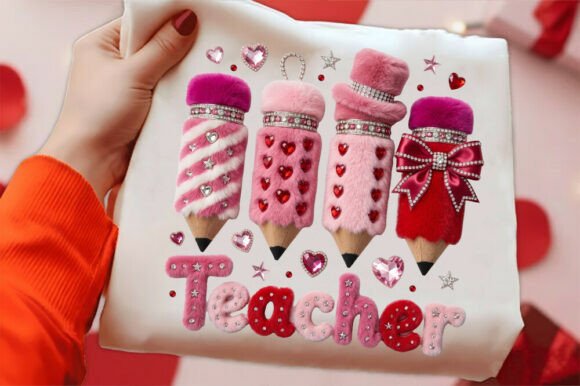
When I sit down to review a new digital asset for my embroidery studio, I am rarely looking at just a pretty picture. I am looking at stitch potential, production viability, and market appeal. As a designer who spends hours digitizing and testing files on everything from heavy cotton canvas to delicate baby muslin, my eye is trained to spot the difference between a design that looks good on a screen and one that translates beautifully into thread. Recently, I came across the Faux Yarn Teacher Pencil Coquette PNG, a graphic centered around a 100 Days of School theme. It immediately caught my attention because it sits at the intersection of two massive trends: the "coquette" aesthetic (bows, softness, nostalgia) and the enduring popularity of teacher appreciation gifts.
This review breaks down how this Illustrations category item performs when moved from a digital file to a physical embroidery project. We will look at its visual personality, its suitability for various products, and the practical considerations any Etsy seller or small shop product creator needs to know before hitting the start button on their machine.
First Impressions: Mood and Visual Personality
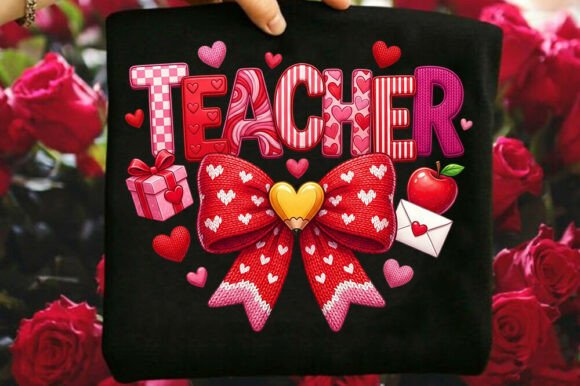
The first thing you notice about the Faux Yarn Teacher Pencil Coquette PNG is its distinct mood. It isn’t just a standard school supply icon; it is styled with a specific feminine, nostalgic flair. The "coquette" element suggests soft curves, likely bows, and a playful yet polished vibe. For a custom apparel decorator, this is gold. It moves away from the rigid, blocky fonts often seen in traditional school graphics and offers something more boutique and emotionally resonant.
Visually, the layout feels balanced. The pencil motif serves as a strong central anchor, but the surrounding elements—presumably the faux yarn texture and coquette accents—add depth. In the world of machine embroidery design, texture is key. A flat vector can look boring stitched out, but a design that implies texture, like faux yarn, gives the embroiderer room to play with different thread colors and stitch types to create dimension. This graphic promises a finished product that feels tactile and high-end, rather than mass-produced.
Real-World Application: Where Does This Design Fit?
I always test designs against actual product categories before recommending them. Here is where I see the Faux Yarn Teacher Pencil Coquette PNG shining brightest in a commercial or personal context:
- Teacher Appreciation Gifts: This is the obvious winner. Teachers receive countless generic gifts during the school year. A personalized gift featuring this specific aesthetic feels curated and thoughtful. Imagine this embroidered on a high-quality canvas tote bag alongside the teacher’s name. It elevates a simple utility item into a keepsake.
- Baby Embroidery and Nursery Decor: The "100 Days of School" milestone is huge for parents. This design works exceptionally well for baby onesies, bibs, or nursery wall art. The soft coquette style aligns perfectly with current nursery trends that favor pastels and whimsical themes over bold primary colors.
- Sweatshirt Embroidery: Fall fashion is all about cozy layers. Placing this graphic on the chest of a cropped sweatshirt or the back of a crewneck creates an instant statement piece. The contrast between the structured pencil shape and the soft yarn texture adds visual interest that holds up well on thicker fabrics.
- Embroidered Patches: If you sell accessories, this design translates well into iron-on or sew-on patches. They are perfect for adorning denim jackets, backpacks, or beanies. The clear outline of the pencil makes it easy to define the edges, which is crucial for patch durability.
- Kitchen Towels and Aprons: For the home decor niche, this design brings a touch of classroom charm to the kitchen. It fits the "farmhouse" or "modern rustic" aesthetic that remains popular among crafters.
Technical Considerations for Embroidery Success
While the concept is strong, execution is everything. As an experienced reviewer, I must highlight where this digital embroidery file might present challenges if not handled with care. The success of the final finished product depends heavily on your technical choices.
Stitch Density and Detail Level
The term "faux yarn" implies texture. In digitizing terms, this usually requires a combination of fill stitches and perhaps some decorative running stitches to mimic the twist of the yarn. You need to check the stitch density carefully. If the design is too dense, it will pucker on lighter fabrics. If it is too sparse, it will lose the "yarn" effect and look like empty space. When preparing this for production, I recommend testing the design on scrap fabric first. Pay close attention to the small details—the tips of the pencil and the loops of the bows. These are the areas where satin stitch clarity matters most. If the hoops are too small, these details may merge together, losing the sharp definition needed for a professional look.
Fabric and Stabilizer Choices
This design is versatile, but it demands the right foundation. For custom apparel like t-shirts or sweatshirts, a cut-away stabilizer is non-negotiable to prevent distortion. If you are working with stretchy knits, ensure the hoop size allows for enough tension without stretching the fabric out of alignment. For woven items like tote bags or tea towels, a tear-away stabilizer might suffice, but always err on the side of extra support for detailed work.
Another critical factor is thread colors. The coquette aesthetic relies on soft, harmonious palettes. If you choose high-contrast neon threads, you risk breaking the mood. Stick to creams, blushes, soft yellows, and muted greens to maintain the intended vibe. Also, consider the background fabric. On dark fabrics, you will need underlay stitching to make the light colors pop, which adds time to the production process. On light fabrics, the design will likely stand out beautifully with minimal setup.
Licensing and Commercial Use
Before you start listing this as a craft business item, you must verify the licensing terms. The product description mentions getting a PNG file, which is excellent for creating printable mockups and design assets for marketing. However, using a raster image (PNG) directly in an embroidery machine is not possible; you need the corresponding vector or embroidery file format (like .dst, .pes, etc.). Ensure you have the correct file type for your machine. Furthermore, confirm whether the license allows for commercial use of the finished product. Many designers sell their work with restrictions on how many units you can produce. Clear communication here protects your reputation and avoids legal issues.
Final Verdict: Is It Worth the Investment?
The Faux Yarn Teacher Pencil Coquette PNG is a strong contender for any designer looking to tap into the school season market with a modern twist. Its visual appeal is high, and its versatility spans from apparel decorators to digital product sellers. It offers a fresh take on a classic holiday, allowing creators to stand out in a crowded marketplace.
However, it requires skillful digitization and careful production. It is not a "set it and forget it" design. It rewards those who pay attention to fabric texture, stabilizer choice, and color harmony. If you are willing to put in the prep work, this design has the potential to become a bestseller for your small shop.
For hobbyists, it makes a wonderful, heartfelt addition to a child’s first-day-of-school outfit or a special gift for a favorite educator. For professionals, it is a reliable asset that bridges the gap between trendy aesthetics and timeless sentiment. Just remember to test thoroughly, respect the licensing, and let the quality of your stitching speak for itself.