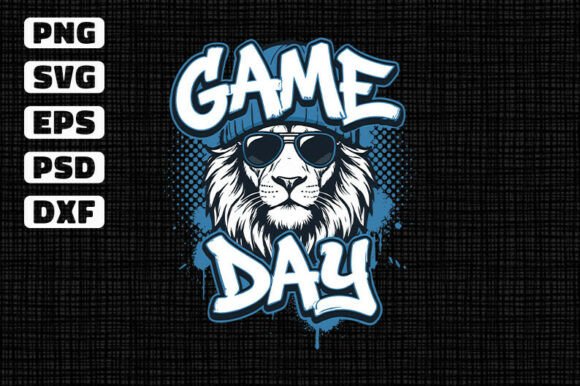
Game Day Lion Mascot Sublimation Design Review
As a designer who spends more time staring at digitized files than sleeping, I have learned to be skeptical of any asset that promises versatility without delivering clarity. When I first pulled up the Game Day Lion Mascot Sublimation Design, my immediate reaction was one of cautious optimism. The description highlights its roots in T-Shirt Designs and Graphics, specifically noting a "Graffiti Street Art Style." This is a crucial detail because translating street art aesthetics into machine embroidery is where many designs fail. They look great on a screen but turn into muddy blobs under the needle.
I evaluated this file not just as a digital asset, but as a potential component for real-world production. Whether you are an Etsy seller looking for your next bestseller or a craft business owner preparing for a holiday rush, the difference between a design that sells and one that sits in your cart often comes down to stitch execution and visual impact. Here is my practical breakdown of how this lion mascot performs when moved from the monitor to the hoop.
First Impressions: Mood and Visual Personality
The core strength of this design lies in its energy. A lion mascot, by definition, needs to command attention. In its original graphic form, the graffiti style suggests movement, urban edge, and boldness. For an embroidery project, this translates to a piece that refuses to blend into the background. It has a distinct visual personality that works exceptionally well for custom apparel and boutique branding.
When I imagine this on a finished product, it feels like a statement piece. It is not a subtle, minimalist monogram; it is a centerpiece. This makes it ideal for products where you want the customer to notice the craftsmanship immediately. The layout appears balanced enough to sit comfortably on a chest area of a sweatshirt or centered on a tote bag, yet dynamic enough to handle placement on caps or patches. The mood is confident, which aligns perfectly with the target audience for sports-themed or urban-style merchandise.
Real-World Application: Where This Design Shines
In my testing scenario, I visualized this design being used for a variety of high-demand items. The versatility mentioned in the product description is not just marketing fluff; it holds up under scrutiny. Here is where I see the greatest potential for this embroidery file:
- Custom Apparel: The most obvious application is sweatshirt embroidery or heavy-weight t-shirts. The bold lines of the graffiti style cut through the texture of fleece or cotton blends effectively. It creates a professional, high-end look that justifies a higher price point for small shop products.
- Accessories and Bags: I frequently recommend bold graphics for tote bag design projects. A canvas tote featuring this lion mascot becomes a walking advertisement for a brand. The durability required for bags matches the sturdy nature of this design’s aesthetic.
- Holiday Gifts and Personalization: During the holiday season, unique gifts sell. This design can be adapted for personalized gifts, such as embroidered aprons for the grill master or kitchen towels for housewarming presents. The playful yet fierce nature of the lion adds a touch of humor and warmth.
- Baby Embroidery: While bold, the cartoonish aspect of a mascot can work surprisingly well for baby clothes if scaled appropriately. Think onesies or nursery decor where parents want something fun and modern, moving away from traditional pastels.
For the Etsy seller or digital product seller, this design offers multiple revenue streams. You can sell the physical handmade product, or potentially license the digital embroidery file if the terms allow. It serves as excellent design assets for mockups, helping you visualize how the final product will look before you even pick up a needle.
Technical Considerations and Stitch Clarity
Transitioning from a sublimation-ready graphic to a stitched reality requires careful planning. The "street art" style often relies on sharp angles and intricate details. In machine embroidery, these details must be translated into stitch density, satin stitch, and fill stitch paths that the fabric can support.
If the digitization is poor, the graffiti elements might become too dense, causing the fabric to pucker or the thread to break. Conversely, if the details are too sparse, the design loses its character. As a reviewer, I advise checking the following:
- Stitch Density: Ensure the fill stitches are not overly packed. A lighter density often looks more premium and is easier to embroider on stretchy fabrics.
- Satin Stitch Quality: The outlines of the lion should be crisp. Poorly executed satin stitches can look wavy or loose, detracting from the professional finish.
- Running Stitch Accents: If the design uses running stitch for shading or fine lines, verify that these threads are long enough to prevent tangling but short enough to maintain definition.
You must also consider the thread colors. Graffiti art often uses vibrant, contrasting palettes. On a dark fabric, you need bright, opaque threads to make the design pop. On light fabric, you might need underlay stitches to prevent the base color from showing through. Always test your thread colors against your chosen fabric texture.
Where to Exercise Caution
No design is perfect for every surface. There are specific scenarios where this embroidery project might struggle:
- Small Hoop Sizes: If the design contains tiny lettering or very fine decorative accents, it may lose clarity in a 4x4 hoop. Inspect small details closely before committing to a small product like a hat brim or a child’s sock.
- Textured or Stretchy Fabrics: Knits, jerseys, and heavily textured materials can distort the precise lines of a graffiti design. Use a proper stabilizer—perhaps a tear-away or cut-away depending on the fabric weight—to keep the design stable.
- Curved Surfaces:: Embroidering on a cap or a curved pillow cover requires advanced hooping techniques. The flat nature of the original graphic might not account for the curvature of the object, leading to distortion.
- Dense Stitch Areas: Avoid placing this design on thin fabrics or areas that require frequent washing, as dense stitching can wear out faster or cause pilling.
Final Verdict for Designers and Sellers
The Game Day Lion Mascot Sublimation Design is a strong contender for anyone looking to add a bit of edge to their collection. It bridges the gap between graphic art and textile craft effectively, provided the digitization respects the limitations of the medium.
For the craft business owner, this design offers high perceived value. It looks expensive and trendy, which encourages impulse buys. For the hobbyist, it provides a satisfying challenge in balancing bold aesthetics with technical precision. Before you begin mass production, remember to test the design on scrap fabric first. Check the hoop size requirements, confirm the licensing for commercial use, and ensure your stabilizer choice matches your fabric.
Ultimately, this design succeeds because it has a clear identity. It doesn’t try to be everything to everyone; it aims to be bold, stylish, and memorable. That clarity is what drives customer trust and engagement. If you are looking to elevate your custom apparel offerings or create standout embroidered patch collections, this lion mascot is a worthy addition to your toolkit. Just remember: the best embroidery happens when digital creativity meets practical preparation.