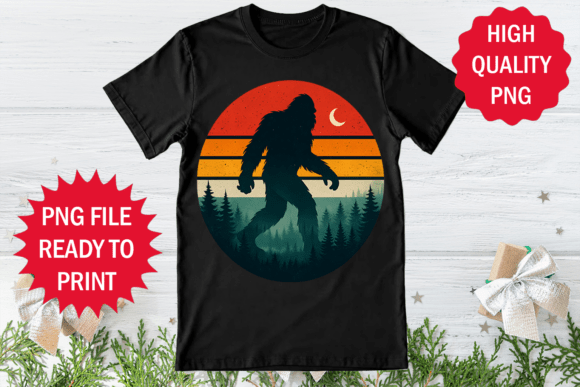
Retro Bigfoot Walking in Jungle Shirt
When I first opened the file for Retro Bigfoot Walking in Jungle Shirt, my immediate reaction was one of nostalgic amusement. As a designer who reviews embroidery files daily, I often see designs that look great on screen but fall apart when stitched. This design, however, has a distinct personality that translates surprisingly well to thread. It is a colorful graphic t-shirt design that leans heavily into trendy aesthetics, making it an intriguing candidate for small business owners and crafters looking to add a bit of whimsy to their inventory.
The visual narrative here is clear: a big figure moving through dense foliage with a vintage flair. The mood is playful, slightly mysterious, and undeniably fun. For embroidery designers, this kind of thematic clarity is gold. It tells the story before the customer even reads the tag. But does it work as a machine embroidery design? Let’s break down how this embroidery file performs in real-world applications, from custom apparel to boutique merchandise.
First Impressions and Visual Personality
The strength of Retro Bigfoot Walking in Jungle Shirt lies in its boldness. The retro color palette suggests high contrast, which is essential for embroidery where fine details can get lost in the texture of the fabric. The layout feels balanced, likely centered or slightly off-center to mimic a classic graphic tee print. This makes it versatile for placement on various products.
Visually, the design creates a sense of movement. Bigfoot isn’t just standing there; he is walking. In embroidery terms, this means the stitch direction and fill patterns need to guide the eye. If executed correctly, the satin stitch outlines around the character and the jungle elements will pop against the background fabric. It feels like a design that belongs on a heavyweight cotton sweatshirt or a sturdy canvas tote bag rather than something delicate. It has the visual weight to command attention without overwhelming the wearer.
Real-World Application: From Screen to Stitch
I recently considered using this design for a custom embroidered patch series aimed at outdoor enthusiasts and cryptozoology fans. The concept was to create a "Jungle Explorer" collection. Here is how Retro Bigfoot Walking in Jungle Shirt fits into specific product categories:
- Sweatshirt Embroidery: This is the natural home for this design. The chunky, colorful nature of the graphic pairs perfectly with the soft, textured surface of fleece or heavy cotton blends. It adds a layer of depth that flat prints sometimes lack.
- Tote Bag Design: For the eco-conscious crafter, placing this on a natural canvas tote offers a striking contrast. The bright colors of the design would stand out vividly against the neutral beige of the bag, making it an excellent impulse buy at craft fairs.
- Embroidered Patch: Converting this into a detachable patch allows for maximum versatility. Customers could attach it to denim jackets, backpacks, or hats. The detailed jungle background provides a nice border area for potential text or additional motifs.
- Baby Embroidery: While perhaps too large for a standard onesie chest, the scale works beautifully for larger items like muslin blankets or nursery wall hangings. It brings a sense of adventure to a child's room without being scary.
For Etsy sellers and digital product sellers, this design serves as a strong base for mockups. Because it is a graphic style design, it photographs well. When you show a finished product, the interplay of light and shadow on the raised stitches adds perceived value. Buyers trust handmade items more when they can see the texture of the thread, and this design’s complexity showcases that craftsmanship effectively.
Where to Use It Carefully
No design is perfect for every surface. There are specific scenarios where Retro Bigfoot Walking in Jungle Shirt might struggle if not handled with care. As an experienced reviewer, I urge you to consider these limitations before committing to production.
First, avoid small hoop sizes. The detail level in the jungle foliage and the character’s features requires enough space to breathe. Trying to cram this into a tiny 4x4 inch hoop will result in muddy stitching where individual threads blend into an indistinct blob. Stick to medium to large hoops to preserve the integrity of the shapes.
Second, be cautious with fabric choice. Thin fabrics may pucker under the density of the fill stitches. Stretchy knits require a strong stabilizer to prevent distortion. Dark fabrics can work, but you must ensure your thread colors have sufficient contrast. If the design relies on subtle shading, it might disappear on black material. Always test on scrap fabric first to check thread color contrast and inspect small details.
Additionally, curved surfaces like caps or fitted hats present challenges. The back curve of a cap can distort straight lines or symmetrical elements. If you plan to use this for custom apparel like structured hats, pay close attention to the digitization to ensure the design follows the curvature naturally. Decorative accents should be used sparingly on such items to avoid bulkiness.
Technical Considerations for the Designer
Before jumping into production, there are practical steps every maker should take. Review the stitch density carefully. High-density areas can cause needle breaks or thread tension issues if the machine isn’t calibrated correctly. Confirm the hoop size requirements listed in the file description—do not guess. If the design includes both satin stitch for outlines and fill stitch for coloring, ensure your machine handles transitions smoothly to avoid thread nests.
Another critical step is testing in black and white mockups. This helps you evaluate the value structure of the design. If the design looks good in grayscale, it will likely stitch well because it relies on contrast rather than just color. Compare light and dark fabric backgrounds during your tests to see how the overall visual appeal shifts. Does the design lose its impact on navy blue? Does it look washed out on white?
Use proper stabilizer. For a design with this much visual weight, a cut-away stabilizer is often recommended for garments that will undergo frequent washing. A tear-away might suffice for temporary items like tea towels or pillow covers, but for long-term wearables, stability is key to maintaining the professional finish.
Impact on Brand and Customer Trust
Using a trendy, recognizable theme like Bigfoot can boost buyer engagement. It sparks conversation. When a customer sees a hand-stitched, colorful rendition of a popular cultural icon, it signals that the seller understands current trends but adds a personal, artisanal touch. This enhances brand consistency for shops that focus on quirky, humorous, or outdoorsy themes.
However, professionalism is maintained only if the execution is clean. Frayed edges, loose threads, or misaligned placements can undermine the quality of even the best design. Ensure that the final product presentation is polished. Whether you are selling a handmade product or a digital embroidery file, the reputation of your shop depends on the reliability of your results.
Also, remember to check licensing before selling finished items or digital products. While the design is described as a graphics asset suitable for various uses, commercial rights vary. Clarify whether you have the right to sell physical goods made from this design. This protects your craft business from legal issues and builds trust with your customers who expect ethical sourcing.
Final Verdict
Retro Bigfoot Walking in Jungle Shirt is a solid addition to any embroiderer’s library, particularly those focused on novelty gifts, outdoor-themed merchandise, or casual wear. It offers a delightful mix of humor and aesthetic appeal that resonates with a broad audience. By respecting its technical requirements—hoop size, fabric type, and stabilizer needs—you can transform this digital graphic into a stunning physical reality.
Whether you are creating personalized gifts for friends or building a line of Etsy seller products, this design provides a strong foundation. It invites creativity, encourages experimentation with thread colors, and delivers a finished product that stands out. Just remember to test thoroughly, respect the limits of the medium, and let the unique charm of the design shine through. With careful execution, this project can become a standout piece in your portfolio.