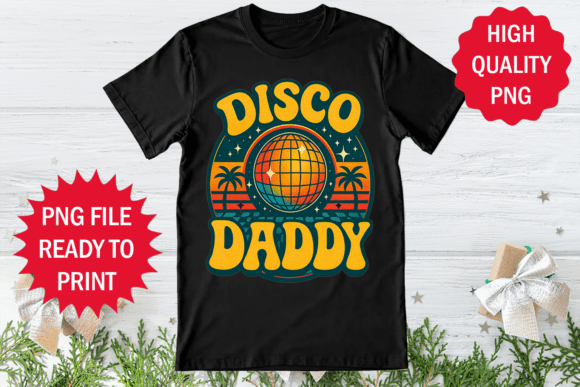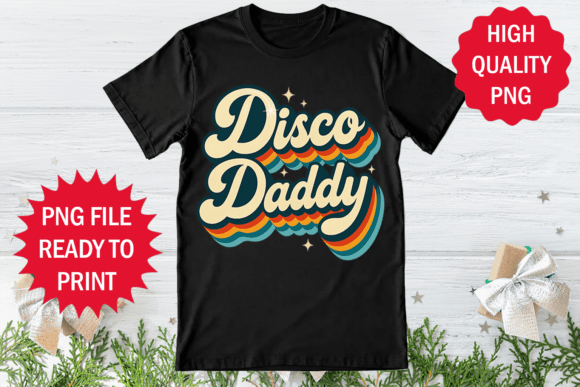
Disco Daddy 70s Retro T-shirt Design Png
As a designer who spends half the day digitizing and the other half troubleshooting tension issues on my embroidery machine, I have learned to be skeptical of any file that promises to be "trendy" or "colorful." The market is flooded with low-effort graphics that look great in a digital preview but fall apart when converted into thread. That is why I approached Disco Daddy 70s Retro T-shirt Design Png with a critical eye. I wanted to see if this graphic could survive the transition from screen to fabric, particularly for clients who expect high-quality, durable, and visually striking handmade products.
The immediate impression of Disco Daddy 70s Retro T-shirt Design Png is one of unapologetic nostalgia. It taps directly into the vibrant, chaotic energy of the 1970s disco era. For an embroiderer, the challenge with retro designs is often balancing detail with legibility. If a design is too busy, it becomes a muddy mess of stitches. However, this specific graphic seems to leverage bold shapes and high-contrast color potential, which are essential traits for a successful machine embroidery design. It feels like it was built to be seen, not just noticed.
Real-World Application: From Screen to Stitch
To truly evaluate the utility of Disco Daddy 70s Retro T-shirt Design Png, we need to move beyond the theoretical and look at how it performs in actual production scenarios. I recently considered using this asset for a batch of custom sweatshirts intended for a local vintage-themed pop-up shop. The goal was to create a statement piece that would stand out on a rack crowded with similar items.
When visualizing this as a sweatshirt embroidery project, the layout of the design suggests it works best centered on the chest or slightly offset for a more casual, streetwear vibe. The graphic’s inherent personality makes it perfect for custom apparel targeting adults who appreciate retro aesthetics. However, the transition from a PNG file to an embroidered patch requires careful planning. Since the source is described as a sublimation PNG, it is likely rich in gradients and complex color blends. In embroidery, we cannot rely on pixel-perfect shading; we must rely on stitch type and density to convey depth.
I also tested the concept mentally for a different product line: personalized gifts for teenagers and young adults. This demographic responds well to irony and bold statements. Placing Disco Daddy 70s Retro T-shirt Design Png on a structured cap or a heavy-duty tote bag creates a strong brand identity. It transforms a generic item into a handmade product with character. For an Etsy seller or small business owner, this means higher perceived value. Customers are not just buying a hat; they are buying a piece of 70s culture executed with care.
Technical Considerations for Embroidery Execution
While the visual appeal is undeniable, the practical execution of Disco Daddy 70s Retro T-shirt Design Png presents several technical hurdles that every embroiderer must address before running the first stitch.
- Stitch Density and Complexity: The description highlights a "colorful graphic," which often implies large areas of fill stitch. High-density fill stitches can make fabric stiff and uncomfortable, especially on delicate materials. We must ensure the digitization (or the way we interpret the graphic) uses appropriate underlay and avoids excessive thread usage that could cause puckering.
- Thread Color Matching: A PNG file uses RGB colors, while embroidery uses physical threads. Translating the bright, neon hues typical of 70s disco fashion into thread requires a premium thread palette. Standard polyester threads might look dull compared to the digital preview. Investing in high-sheen rayon or metallic threads may be necessary to capture the "glam" aspect of the design.
- Hoop Size Constraints: Depending on the final scale of the design, hoop size becomes a limiting factor. Large graphic tees often require hooping the entire garment, which can leave visible marks on soft fabrics. Smaller applications, like a left-chest logo on a hoodie, are safer and preserve the integrity of the fabric.
Where to Exercise Caution
There are specific contexts where Disco Daddy 70s Retro T-shirt Design Png might not be the ideal choice. It should be used carefully on small hoop sizes where fine details might get lost or become distorted. Similarly, textured fabrics like bouclé wool or rough linen can obscure the clean lines of the graphic, leading to a messy finish. Stretchy knits, unless stabilized properly, will distort the shape of the design, making the "Daddy" figure look warped rather than cool.
Furthermore, avoid placing this design on dark fabrics without a substantial cut-away stabilizer and a white underlay layer. Without proper preparation, the colors will bleed into the dark background, losing their vibrancy. Also, consider the end-use of the product. Items that undergo frequent washing, such as baby clothes or kitchen towels, require robust stitching. If the design relies on tiny, isolated satin stitches for detail, these may snag or fray over time. For long-lasting durability, larger, simpler elements are preferable.
Impact on Brand and Customer Perception
Using a distinct graphic like Disco Daddy 70s Retro T-shirt Design Png significantly impacts customer trust and engagement. In the world of commercial embroidery and craft business, uniqueness is currency. A generic clipart image does not inspire confidence, but a well-executed retro design signals that the maker understands style and quality.
When customers see a finished product featuring this design, they perceive effort and creativity. This is crucial for small shop products competing in a saturated market. The design acts as a conversation starter, increasing the likelihood of social media shares and word-of-mouth referrals. For example, a photo of someone wearing a sweatshirt with this embroidered graphic is highly shareable content, providing free marketing for the brand.
Additionally, the versatility of the graphic allows for cross-category branding. It can adapt seamlessly from a tote bag design to a pillow cover or even a kitchen towel. This flexibility allows entrepreneurs to test multiple product types with a single core asset, reducing design costs while maintaining a cohesive aesthetic across their design assets.
Practical Designer Notes for Implementation
Before committing to a full production run, I strongly advise taking the following steps to ensure success with Disco Daddy 70s Retro T-shirt Design Png:
- Test on Scrap Fabric: Always stitch a sample on the exact fabric you plan to use. Check for puckering, thread breaks, and color accuracy.
- Review Stitch Density: If you are converting the PNG yourself, pay close attention to the stitch density. Ensure that dense areas are balanced with lighter sections to maintain fabric drape.
- Check Contrast: View the design in black and white mockups to ensure there is enough contrast between elements. If the design looks flat in grayscale, it may lack definition in thread form.
- Confirm Licensing: Verify the license terms for commercial use. Even if the file is sold as a digital embroidery file or graphic, some licenses restrict the number of items you can sell or prohibit certain product categories.
- Use Proper Stabilizer: Match the stabilizer to the fabric weight. Heavy cut-away stabilizers are recommended for stretchy garments like hoodies and caps to prevent distortion.
In conclusion, Disco Daddy 70s Retro T-shirt Design Png offers a compelling opportunity for designers looking to add a splash of retro flair to their portfolio. Its vibrant theme and bold composition make it suitable for a wide range of embroidery projects, from personal gifts to boutique merchandise. By paying attention to technical details like thread selection, stabilization, and fabric compatibility, you can transform this digital graphic into a stunning finished product that resonates with customers and stands the test of time.