St Patrick’s Day Patchwork Shamrock Png
When I sit down to evaluate a new embroidery file for my own studio or client projects, I am rarely impressed by flashiness alone. What matters is how the design behaves under the needle, how it translates from screen to fabric, and whether it holds up as a viable commercial embroidery asset. Recently, I’ve been looking closely at the St Patrick’s Day Patchwork Shamrock Png, a graphic that promises a specific aesthetic: rustic, textured, and distinctly handmade. As a designer who values practicality in machine embroidery design, I wanted to break down exactly what this piece brings to the table, where it shines, and where you might need to exercise caution before loading it into your hoop.
The First Impression: Mood and Visual Personality
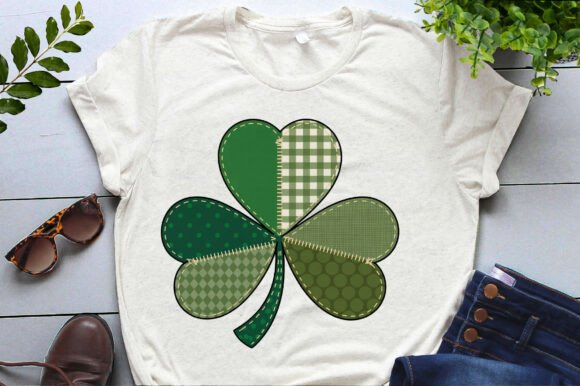
The moment you view the St Patrick’s Day Patchwork Shamrock Png, the intent is clear. This isn’t trying to be a sleek, modernist corporate logo. Instead, it leans heavily into the cozy, scrapbook-style aesthetic that has dominated craft fairs and boutique shops for years. The "patchwork" element suggests a collage of smaller shapes coming together to form the classic shamrock silhouette. For an embroiderer, this visual language is promising because it naturally breaks down into manageable stitch fields.
The mood is festive but grounded. It feels appropriate for spring, St. Patrick’s Day celebrations, and general Irish heritage themes without feeling overly cliché. In terms of design assets, this falls squarely into the category of approachable Illustrations. It invites customization. When I look at this, I don’t just see a shamrock; I see potential for thread color play. The segmented nature of a patchwork style allows for contrasting threads in different sections, which can elevate a simple motif into a statement piece if executed with care.
Real-World Application: Where Does This Design Belong?
To truly understand the value of any embroidery project, you have to imagine it on a finished product. Let’s talk about a real-life scenario. Imagine you are preparing inventory for an Etsy shop or a local craft fair. You are designing a line of St. Patrick’s Day gifts. The St Patrick’s Day Patchwork Shamrock Png is versatile enough to work across several categories, but some fit better than others.
Consider a custom embroidered tote bag. A canvas or cotton canvas tote provides a stable, flat surface. Placing the patchwork shamrock here allows the design to breathe. The texture of the bag complements the "patched" look of the graphic. Similarly, for sweatshirt embroidery, particularly on neutral tones like cream, heather grey, or denim blue, this design works beautifully. The slightly rustic vibe matches the casual comfort of a sweatshirt perfectly. It feels like something a customer would wear to a parade or a casual brunch, not a formal event.
I also see strong potential in baby embroidery. Think of a onesie or a burp cloth. The soft, segmented lines of a patchwork design are less aggressive than sharp, solid geometric shapes, making them visually softer for infants. However, for apron designs, specifically kitchen towels or tea towels, the contrast becomes critical. If you use this on a white flour sack towel, you will need bold thread colors to ensure the individual "patches" remain distinct.
Commercial Viability and Brand Consistency
For the Etsy seller or small shop product creator, the question is always: does this drive sales? The answer lies in presentation. This design lends itself well to printable mockup creation. Because it has a transparent background option (as noted in the digital files), you can easily place it on various backgrounds for your online listings. It signals "handmade" and "personalized gift," two high-converting keywords in the current market. It helps establish brand consistency for shops that focus on rustic, farmhouse, or holiday-themed decor.
Technical Considerations for the Embroiderer
Here is where the rubber meets the road. Just because a graphic looks good on a monitor doesn’t mean it stitches out cleanly. The St Patrick’s Day Patchwork Shamrock Png requires thoughtful digitizing decisions, especially if you are converting vector layers into stitch data.
Hoop Size and Placement: Ensure the design fits comfortably within your standard hoops. While the digital dimensions are large, the actual stitched area needs to be proportionate. If the design is too dense, it may pucker lightweight fabrics. Always check the stitch density during the digitizing phase. A patchwork style often relies on fill stitches to create the colored blocks. If these fills are too tight, the fabric will distort. If they are too loose, the stabilizer may show through.
Fabric Texture and Stability: This design performs best on woven fabrics. Cotton, linen, and denim are ideal. Be cautious when using this on stretchy fabric like jersey knits unless you are using a heavy-duty tear-away or cut-away stabilizer. The weight of the embroidery could cause the fabric to sag over time, ruining the drape of a t-shirt or onesie. Also, avoid placing this on highly textured fabrics like bouclé or thick fleece, as the small details of the patchwork segments may get lost in the weave.
Thread Colors and Contrast: The success of a patchwork design hinges on color separation. If you choose thread colors that are too similar in value (e.g., light green next to medium green), the individual patches will merge into a muddy blob. Use a black-and-white filter on your design preview to test contrast. High contrast between adjacent sections ensures clarity. For dark fabric, you may need to add a backing layer or use lighter, brighter threads to make the shamrock pop.
Details That Matter
- Satin Stitch vs. Fill Stitch: Depending on the digitizing, the edges of the patchwork pieces might use satin stitches for definition. Check these edges for stability. If the satin stitch is too narrow, it may break or fray after washing.
- Running Stitch Accents: Some patchwork styles include running stitches to mimic sewing seams. These should be short enough to hold but long enough to avoid bunching. Test these carefully on scrap fabric.
- Dense Stitch Areas: Avoid placing dense areas of the design near seams, buttons, or curved surfaces like the crown of a cap. Curved surfaces require specialized digitizing to prevent puckering, and a complex patchwork pattern adds unnecessary risk on a rounded shape.
Final Verdict: Is It Worth the Investment?
The St Patrick’s Day Patchwork Shamrock Png is a solid addition to any craft business library focused on seasonal goods. It is not a groundbreaking artistic masterpiece, but it is a reliable, commercially viable design that taps into a popular aesthetic. It works exceptionally well for holiday embroidery items, personalized gifts, and custom apparel.
However, do not treat it as a set-it-and-forget-it file. Success depends on your preparation. Test it on scrap fabric first. Inspect the small details. Confirm licensing terms if you plan to sell the finished products commercially. By paying attention to thread colors, stabilizer choice, and fabric type, you can turn this simple graphic into a professional, high-quality finished product that customers will love.
If you are an apparel decorator or maker looking to expand your St. Patrick’s Day offerings, this design offers a great balance of visual interest and stitchability. It respects the handmade tradition while providing the clean finish that modern buyers expect. Just remember: the best embroidery starts with smart planning, not just a good file.